
Ten tips to help photographers photograph a wedding. Essential things that you should think about before you even leave your house.
Scout the Venue
If you have never been to the venue before, it’s a good idea to scout it for key locations and interesting portrait spots. Maybe formulate a backup plan for if it’s raining. Investing in your creativity before the wedding day will speed things up on the day, allowing your couple more time with guests.
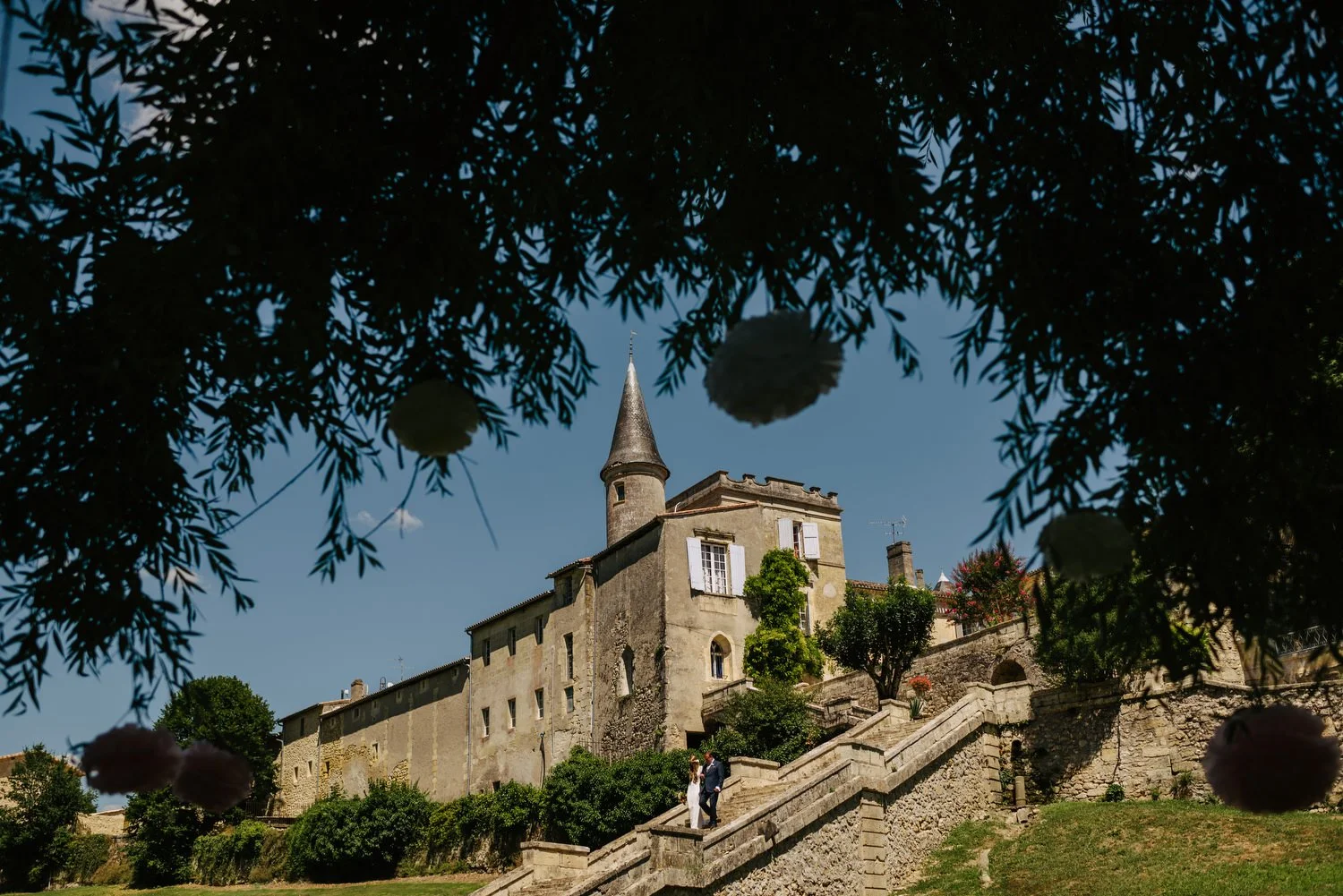
If a venue is far away and we can’t visit it in advance, we’ll show up early and scout it before we start photographing the wedding.
Have the right equipment
It is essential that you turn up to a wedding with, at the minimum, one backup camera. Never carry just one camera as, should it break, you’ll be left unable to do your job. We have experienced a shutter failure during a wedding but because we have backups, we were able to continue on unaffected.
It’s a good idea to shoot with a ‘prosumer’ full-frame camera. If these are out of budget, look in the second-hand market. For example, the Nikon D750 and Canon 5Dmk3 can be picked up for maybe a third of the price of a new full frame body, but they’re still really capable cameras.
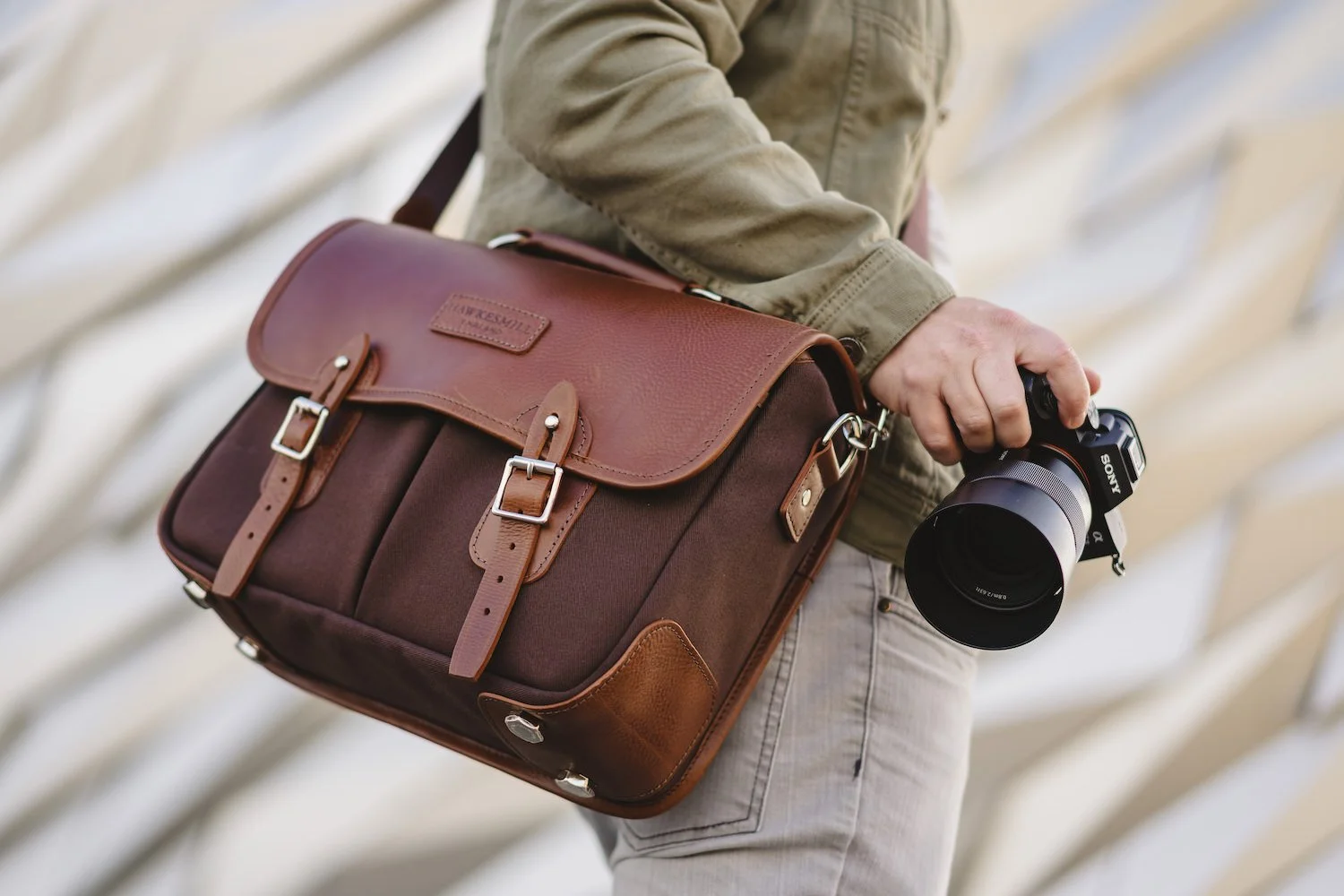
We like to mostly use fast prime lenses (F1.4 or F1.8) due to the nature of weddings where you’re often left to shoot in low light. We find that good prime combinations are 35mm, 85mm and 135mm or 24mm, 50mm and 110mm. Alternatively, you can of course use zoom lenses - these will give you more focal length options without changing lens, but in low light situations may be forced into using flash more often.
Bring some lighting
We would describe ourselves as natural light photographers, and 99% of the time that’s all we use. But with that being said, it’s a good idea to have at least one flash on hand for situations where there isn’t much natural light.
We bring along two portable studio strobes and three flashes. While we might not always use them, they can get you out of tight spots - especially during winter weddings.
Charge your batteries
Not only charge all your equipment, make sure that you have enough batteries to keep it powered through the full wedding. If it takes you two batteries to shoot a wedding, make sure to have 3 with you just in case. Also bring along a charger so you can top them up during mealtime.
And it’s not just your equipment batteries that need charging, make sure you’re well rested the night before a wedding. If possible, relax and get to bed early.
Have freshly formatted Memory Cards
There’s debate over whether to bring numerous low-capacity memory cards or fewer high-capacity memory cards. Our preferred approach is to use single cards that are large enough to capture an entire wedding. The reason being we feel it’s more likely that we’ll lose a memory card than have one fail.
We use 2 high-capacity memory cards per camera at each wedding. We also bring a backup set, just in case. We format the cards before the wedding and do not reformat them until the wedding has been edited and delivered to our couple. That way, we’ve two extra backups of the wedding until it is edited.
If possible, we backup the cards during mealtime when we have an hour or two of downtime. This means that the majority of the day is already backed up, giving you a little bit more peace of mind.
Have the right clothes
Dressing for a wedding as a photographer can be quite tough - you need to wear clothes that are dressy enough to not stand out but comfortable enough to work in. Don’t feel like you have to be dressed like a guest - most couples will not expect that. Smart-casual works best. And make sure to invest in a warm and dressy raincoat.
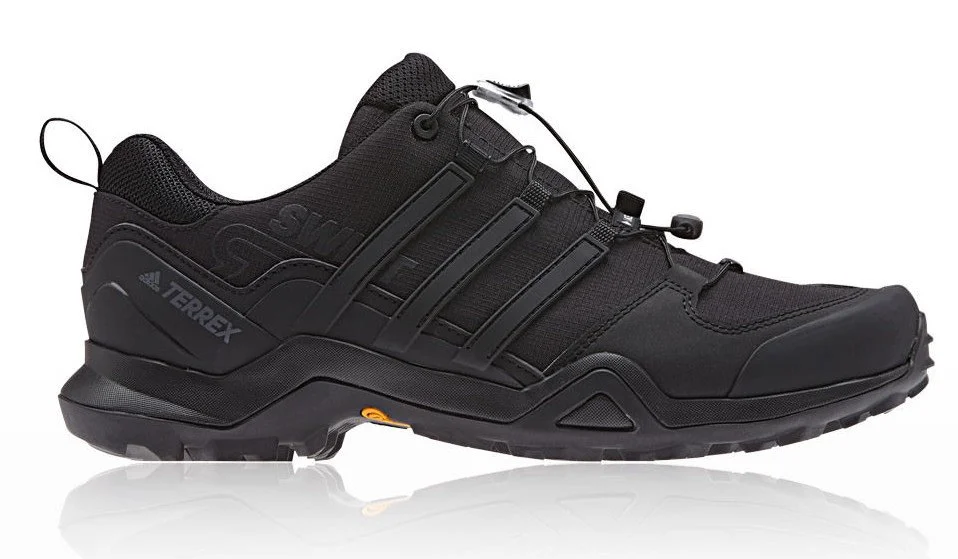
The right shoes are really important. If they’re not comfortable, don’t wear them. We find that trainer-shoes (like Adidas terrex or Vans, for example) look smart enough while providing the comfort you need if on your feet all day.
And just like your wedding equipment, bring backups! Having a spare change of clothes is an insurance policy against spilled red wine, burst seems and being drenched in the rain. You’ll thank yourself for it.
Pack snacks, water and other supplies
Most of the day, you will not get a chance to sit down and eat so it’s vital that you pack some snacks to keep you going. We find that porridge bars, protein bars, nuts and bananas really keep us going. They’re easy to pack into your camera bag and eat on the go.

Staying hydrated is vitally important. We sometimes don’t get a chance to drink as much as we should during a wedding day and end up feeling hungover the next day. Always have a water bottle with you and take sips from it when you can.
We also make sure to pack other supplies such as paracetemol, rehydration sachets, antihistamines and plasters. While we might rarely need them, it’s a comfort to know they’re there.
Check the weather forecast
It’s always a good idea to check the hourly forecast before you start a wedding (and recheck it during the day). While there’s nothing you can do to control the weather, it can help you plan out times for doing couple portraits and family photographs. It’ll also help you dress appropriately and be more comfortable.
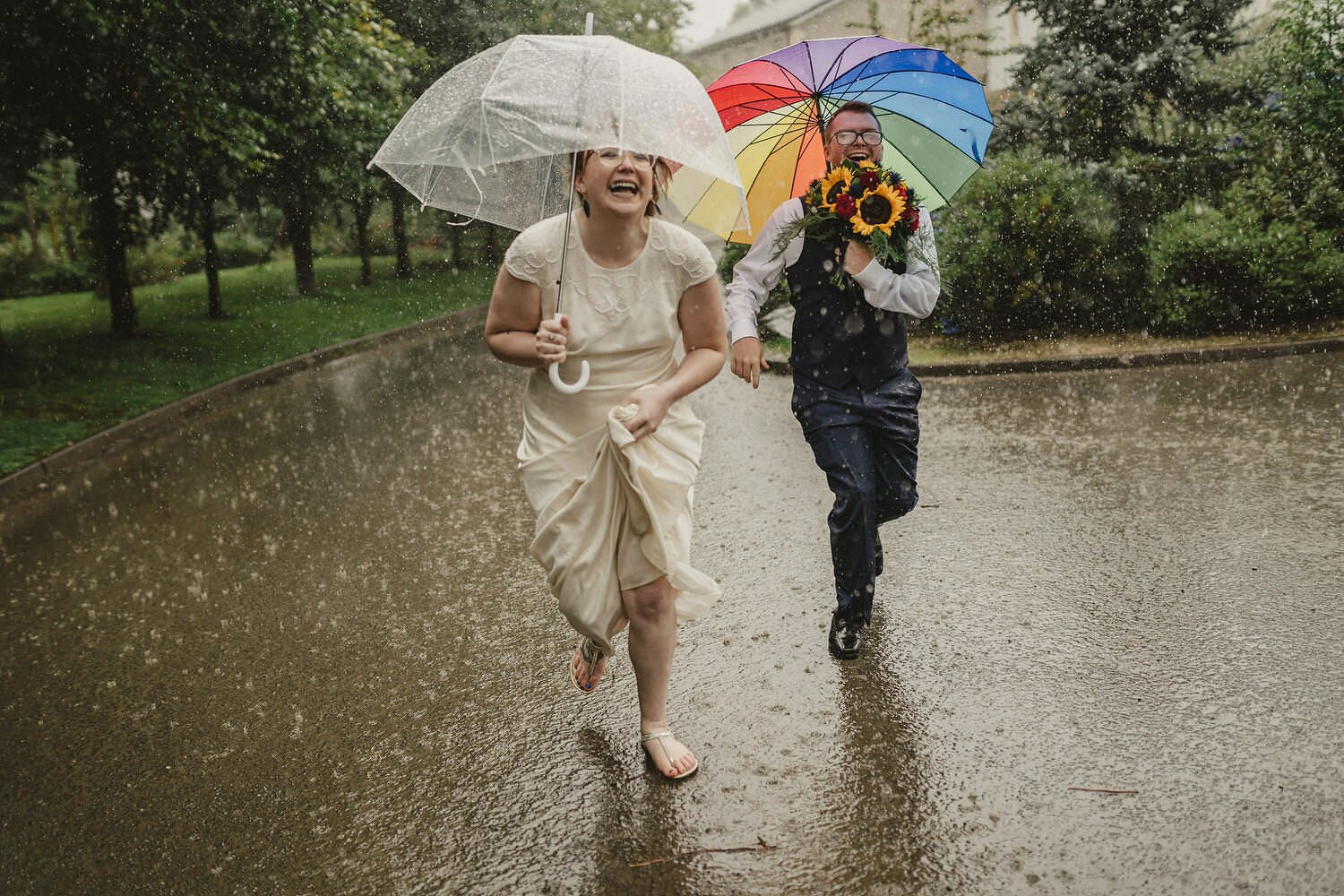
You can also use apps like Suncalc to see where the sun will be at any given time in the day. This will help you have an idea in advance of what places will work and not work for photographs.
Check addresses, timings and pre-plan your journey
Ringing up a bride or groom in the morning of the wedding looking for directions is unprofessional. Make sure you know every address that you’ll be visiting on the wedding day and store it in your satnav. Before your journey, check for any local traffic disturbances or roadworks - and always give yourself an extra 20mins on the road.
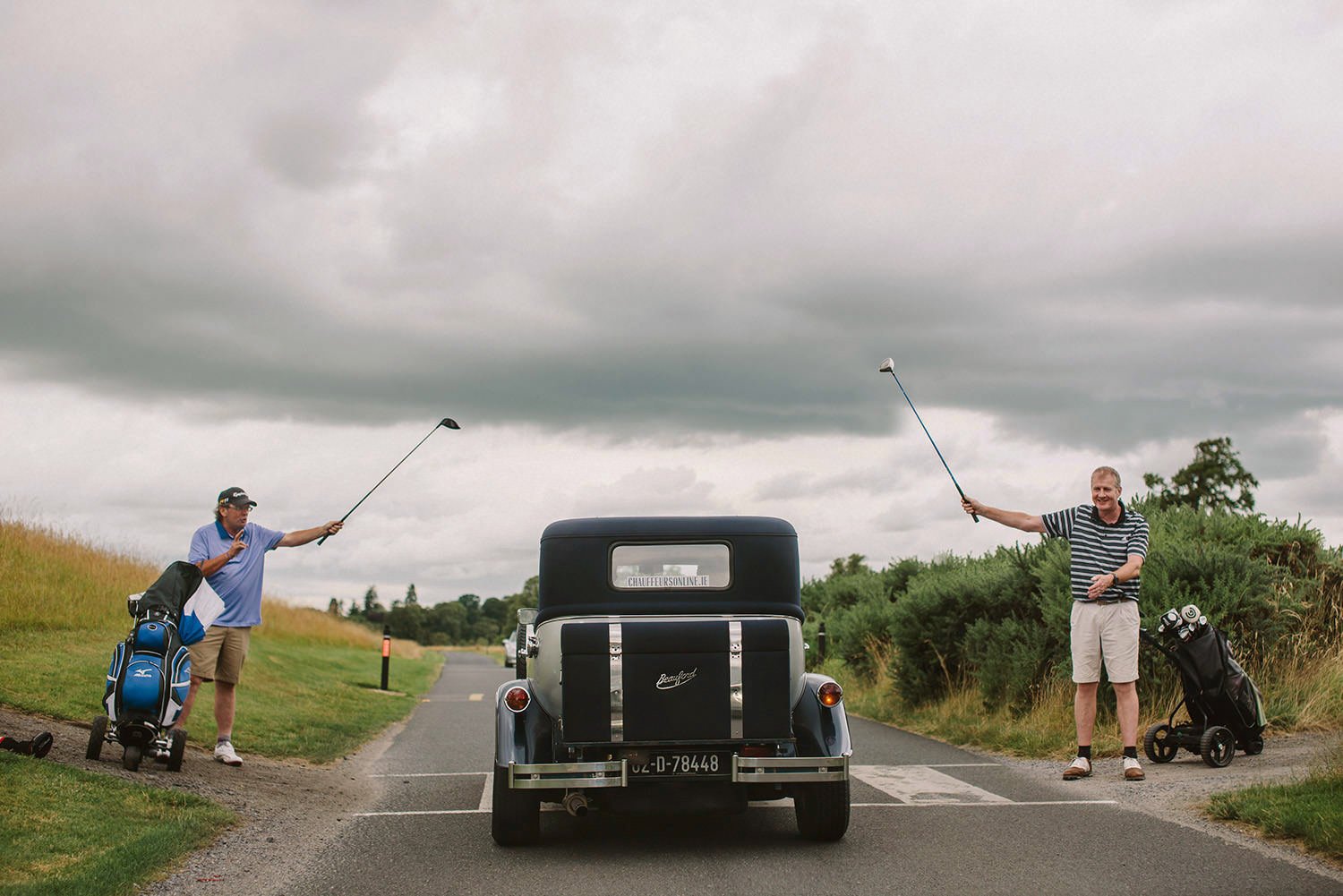
Ask the couple to give you the rough timings of everything as well so you know where to be at a given time. This not only allows you to plan your day, it means you don’t have to bother asking anyone on the day.
Be mindful of and sensitive to guests
It’s a good idea to check beforehand if there are any issues you need to be sensitive to, and include them in your plans if necessary. For example, if any of the families have mobility issues, choose a place for family photos that is easily accessible.